سوق تغليف مستحضرات التجميل العالمي لعام 2026: اتجاهات التوريد والبيانات
العالمي تغليف مستحضرات التجميل يدخل السوق مرحلة حاسمة. ومن المتوقع أن يصل حجم هذا القطاع إلى ما يقارب $52.4 إلى $59.8 مليار في عام 2026، حيث يتوسع بمعدل نمو سنوي مركب ثابت يتراوح بين 4.5% و5.2%. ومع ذلك، فقد طرأت تغييرات جوهرية على الديناميكيات الكامنة وراء ما يتم بيعه وأسباب ذلك.
بالنسبة لمديري المشتريات العالميين ومالكي العلامات التجارية، لم يعد اختيار مصادر التغليف يقتصر على تكاليف الوحدة فحسب. بل أصبح الأمر يتعلق بالتعامل مع اللوائح العالمية المرتقبة، وتحقيق التوازن بين التصميمات الجمالية الراقية والمواد المستدامة، وتحسين مرونة سلسلة التوريد.
فيما يلي تحليل عملي لوضع سوق تغليف مستحضرات التجميل في عام 2026، يتضمن بيانات مبيعات الفئات المختلفة، وأولويات المشترين الرئيسية، والحلول الاستراتيجية لدورة الشراء القادمة الخاصة بكم.
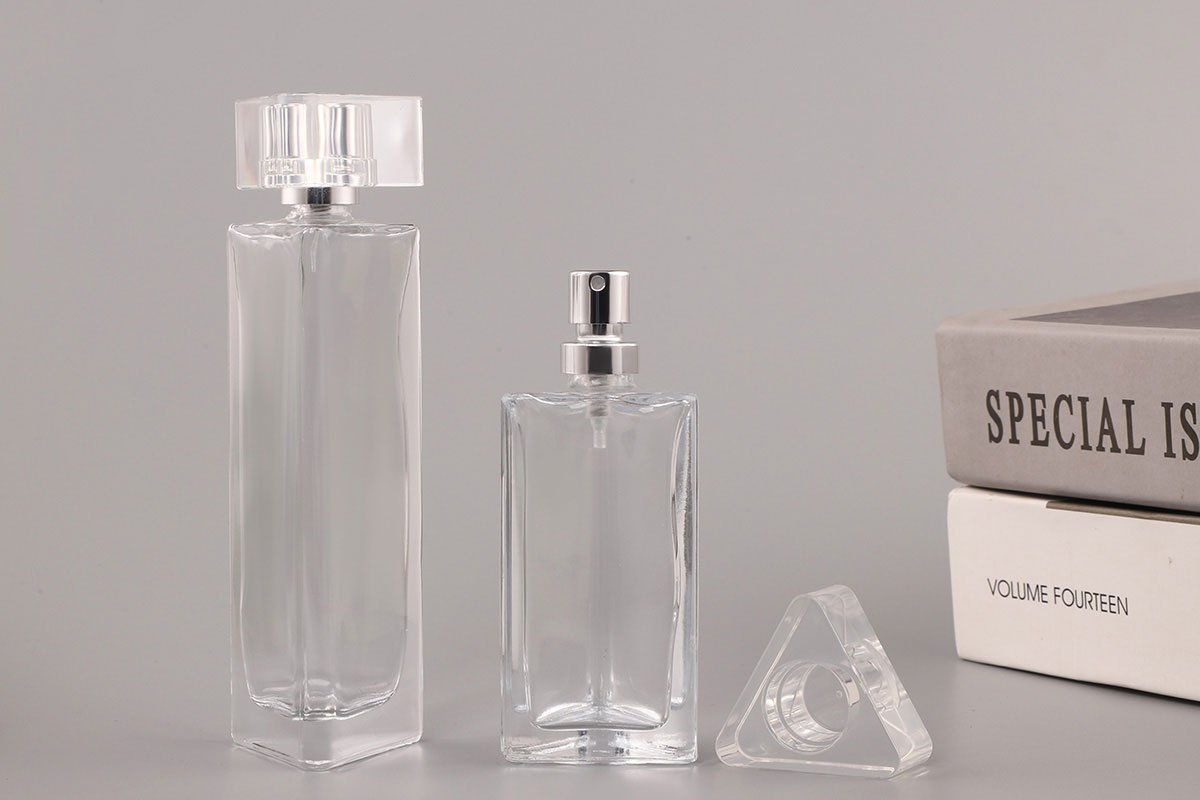
نظرة عامة على مبيعات سوق تغليف مستحضرات التجميل لعام 2026 حسب الفئات الفرعية
لقد تحول سوق التغليف من الحلول العامة نحو أشكال متخصصة للغاية ومخصصة لفئات معينة. ويتميز السوق بتجزئة شديدة، حيث تحدد فئات المنتجات المختلفة أشكال التغليف الخاصة بها. ولا تزال المواد البلاستيكية الصلبة (PET وPP ومخاليط PCR) هي المواد الأكثر استخدامًا على مستوى العالم نظرًا لمتانتها وفعاليتها من حيث التكلفة.
| الفئة | الاتجاه السائد في المواد لعام 2026 | الحصة السوقية التقديرية | المحرك الرئيسي للنمو |
| العناية بالبشرة | البلاستيك أحادي المادة (PET/PP)، الزجاج | ~24% – 28% | ارتفاع الطلب على الزجاجات عالية الجودة التي لا تحتوي على هواء وحماية التركيبة. |
| مستحضرات التجميل الملونة | علب مكياج صغيرة قابلة لإعادة التعبئة، من الألومنيوم | ~18% – 22% | تجنب استخدام المدمجات المصنوعة من مواد مختلطة والمزودة بمفصلات معدنية. |
| العناية بالشعر | زجاجات من مادة rPET و Bio-HDPE طراز 100% | ~15% – 18% | منتجات التجزئة ذات الجودة المماثلة لتلك المستخدمة في صالونات التجميل، والتي تتطلب زجاجات خفيفة الوزن وذات سعة كبيرة. |
| العطر | زجاج سميك، أغطية خشبية | ~10% – 12% | تصميم فاخر يركز على الإحساس بالملمس، مع إغلاقات عالية الجودة. |
النقطة الأساسية:
لا تزال العناية بالبشرة تمثل القطاع الأكبر والأسرع نموًّا على الصعيد العالمي. وضمن هذا المجال، تُعد الفئة التي تتراوح سعتها بين 50 و100 مل هي الشكل الأكثر مبيعًا، مدفوعةً بطلب المستهلكين على منتجات متخصصة وسهلة الحمل أثناء السفر.
يشهد قطاع مستحضرات التجميل الملونة أسرع تحول نحو استخدام المواد الأحادية (مثل 100% PP أو PET)، وذلك لأن مرافق إعادة التدوير البلدية الحديثة ترفض بشكل متزايد علب المكياج المصنوعة من مواد مختلطة والمزودة بمفصلات معدنية ومرايا.

ما يهم مديري المشتريات فعليًّا في عام 2026
إذا كنت تبحث عن مورد لعلامة تجارية من الفئة المتوسطة إلى الكبيرة، فمن المرجح أن تكون أولوياتك قد تحولت من التركيز على تكلفة الوحدة وحدها إلى التركيز على القيمة الإجمالية على مدار دورة الحياة وتخفيف المخاطر.
1. الاستدامة القابلة للتحقق (القضاء على التضليل البيئي)
لم يعد بإمكان العلامات التجارية الاستمرار في استخدام العبارات العامة من قبيل “صديقة للبيئة”. يطالب المشترون بشهادة GRS (المعيار العالمي لإعادة التدوير) للبلاستيك المعاد تدويره بعد الاستهلاك (PCR) وإمكانية تتبع المواد الخام. وإذا لم يتمكن المصنع من تقديم ورقة بيانات تقييم دورة الحياة (LCA) لتغليفه، فإنه يُستبعد من قبل العلامات التجارية الكبرى.
2. فخ الهامش “القابل لإعادة التعبئة”
ورغم أن المنتجات القابلة لإعادة التعبئة تتمتع بقابلية تسويقية عالية، فإن أنظمة إعادة التعبئة السيئة التصميم تؤدي إلى تآكل هوامش الربح. وتبحث فرق المشتريات عن تصاميم تستخدم فيها خرطوشة إعادة التعبئة كمية من البلاستيك أقل بنسبة 70%+ مقارنة بالعبوة الأصلية، وتكون آلية التثبيت بالضغط بديهية بما يكفي لجعل المستهلكين يشترون عبوات إعادة التعبئة بالفعل.
3. تكامل التغليف الذكي
بحلول عام 2026، يجب أن تربط العبوات الفاخرة بين العالمين المادي والرقمي. وتسعى العلامات التجارية إلى الحصول على عبوات مزودة بعلامات NFC مدمجة وقابلة للمسح الضوئي أو رموز QR محفورة بالليزر مباشرةً على القوالب، وذلك لمكافحة التزوير وتتبع سلسلة التوريد وتعزيز تفاعل المستهلكين.
4. مرونة سلسلة التوريد والحد الأدنى لكمية الطلب
مع تقلب تكاليف الشحن العالمية، ترغب العلامات التجارية في توفير مخزون احتياطي محلي وتقليل المدة الزمنية اللازمة لتصنيع القوالب. ويبحث المشترون عن تصاميم معيارية — باستخدام زجاجة داخلية موحدة لتقليل الحد الأدنى لكميات الطلب (MOQ)، مقترنة بغلاف خارجي عالي التخصيص.
حلول الشركات المصنعة: كيف نعالج التحديات المتعلقة بالتوريد
بصفتنا شركة مصنعة، فإننا نتفهم هذه العقبات التي تعترض عملية الشراء. وفيما يلي الكيفية التي نوائم بها خطوط إنتاجنا مع متطلبات قطاع الأعمال بين الشركات (B2B) لعام 2026:
قوالب مصنوعة من مادة واحدة وجاهزة للتسويق:
لقد استثمرنا بشكل كبير في تصنيع القوالب الخاصة بمضخات ووحدات الضغط الخالية من الهواء من طراز 100% المصنوعة من البولي بروبيلين (PP) والبولي إيثيلين تيريفثالات (PET). ونظرًا لعدم احتوائها على نوابض معدنية أو أنواع مختلفة من البلاستيك، فإنك تتجنب تكاليف الهندسة المخصصة وتحصل على منتج قابل لإعادة التدوير بالكامل، مما يتيح لك طرحه في السوق قبل أشهر من الموعد المحدد.
مزيجات تفاعل البوليميراز المتسلسل (PCR) المتدرجة:
قد يؤدي استخدام مادة 100% PCR إلى تباينات في اللون وهشاشة هيكلية. نحن نقدم مزيج PCR مخصص من أنواع 30% و50% و70% مع وثائق GRS كاملة، مما يتيح لك تحقيق أهدافك في مجال الاستدامة مع الحفاظ على ملمس فاخر ودقة مطابقة الألوان.
برامج “داخلية” موحدة + برامج “خارجية” مخصصة:
للحفاظ على الحد الأدنى لكميات الطلب منخفضًا وهوية علامتك التجارية عالية، نقدم آليات داخلية قياسية حاصلة على براءة اختراع (مضخات، كبسولات إعادة التعبئة) تتوافق تمامًا مع الأغلفة الخارجية المصنوعة حسب الطلب. ولا تدفع سوى تكلفة القالب الخارجي.
إعداد تقارير تقييم دورة الحياة (LCA) من البداية إلى النهاية:
تتضمن كل عرض أسعار نصدره تقديرات أولية للبصمة الكربونية للمواد المختارة، مما يوفر لفرق التسويق والامتثال لديكم بالضبط ما يحتاجونه لإعداد التقارير التنظيمية.
يتطلب التعامل مع سوق التغليف لعام 2026 مرونة. ومن خلال التوافق مع مصنعو عبوات مستحضرات التجميل التي تقدم حلولاً شفافة وصديقة للبيئة وقابلة للتعديل الحلول, ، يمكن لعلامتك التجارية أن تحافظ على هوامش أرباحها مع احتلال مكانة رائدة في مجال الاستدامة.