عملية تصنيع زجاجات مستحضرات التجميل المزودة بمضخة: اتجاهات السوق وتكنولوجيا الإنتاج
1. مقدمة
تُعد زجاجات اللوشن المزودة بمضخة حاويات تغليف وظيفية لا غنى عنها، وتُستخدم على نطاق واسع في صناعات العناية الشخصية ومستحضرات التجميل والكيماويات الاستهلاكية والأدوية. وتتميز هذه الزجاجات بسهولة الاستخدام بلمسة واحدة، والتخزين المحكم، والتوزيع الكمي الدقيق، والتوافق القوي مع المنتجات السائلة وشبه السائلة مثل لوشن الجسم، وكريم الوجه، ومعقم اليدين، والزيوت العطرية، مما جعلها الخيار السائد لتعبئة المنتجات الكيميائية اليومية من الفئة المتوسطة إلى الراقية في جميع أنحاء العالم.
تصنيع زجاجات المستحضرات المزودة بمضخة وهي عملية صناعية شاملة تدمج بين معالجة المواد، والقولبة الدقيقة، والتجميع الميكانيكي، واختبار الجودة، وهي التي تحدد بشكل مباشر أداء المنتج في مجال الإحكام، ودقة التوزيع، والمتانة، والقدرة التنافسية في السوق.
مع الازدهار الذي تشهده صناعة العناية الشخصية على الصعيد العالمي، والتطور الذي تشهده مفاهيم التغليف الصديقة للبيئة، يحافظ سوق زجاجات مستحضرات الترطيب المزودة بمضخات على نمو مطرد، كما تتطور تقنيات تصنيعها نحو الذكاء والتوجهات الصديقة للبيئة والدقة العالية.
2. اتجاهات المبيعات والتطور في السوق العالمية لزجاجات المستحضرات ذات المضخة
2.1 حجم السوق الحالي وأداء المبيعات
دخل سوق زجاجات مضخات المستحضرات العالمية مرحلة نمو مستقرة، مدفوعًا بطلب قوي في السوق ناتج عن التوسع المستمر في صناعة تغليف منتجات العناية الشخصية ومستحضرات التجميل.
وفقًا لبيانات السوق المتخصصة في هذا القطاع، بلغت قيمة سوق مضخات المستحضرات العالمية 1.9 مليار دولار أمريكي في عام 2025، ومن المتوقع أن تصل إلى 2.9 مليار دولار أمريكي بحلول عام 2035، محافظًا على معدل نمو سنوي مركب (CAGR) يبلغ 4.1% خلال فترة التوقعات. .
باعتبارها أحد المنتجات الأساسية في قطاع عبوات الموزعات المزودة بمضخة، تحتل زجاجات المستحضرات المزودة بمضخة حصة سوقية مهيمنة تبلغ حوالي 40% في سوق عبوات مستحضرات التجميل المزودة بمضخة على الصعيد العالمي، مستفيدةً من نطاق استخدامها الواسع وتكلفة استبدالها المنخفضة.
على الصعيد الإقليمي، تهيمن منطقة آسيا والمحيط الهادئ على السوق العالمية بحصة سوقية تبلغ 38.87%، معتمدةً على سلاسل تصنيع ناضجة، وتكاليف إنتاج منخفضة، وأسواق استهلاكية ضخمة في المراحل النهائية في الصين وجنوب شرق آسيا والهند. وتليها أوروبا وأمريكا الشمالية، حيث تركزان على منتجات زجاجات مضخة المستحضرات المخصصة عالية الجودة والصديقة للبيئة والقابلة لإعادة التدوير.
من حيث الطلب في المراحل النهائية، تساهم صناعة العناية الشخصية بنسبة 44.0% من إجمالي الطلب في السوق على منتجات التغليف المزودة بمضخات، لتصبح بذلك أكبر مجال تطبيق لزجاجات المستحضرات المزودة بمضخات. .
2.2 الاتجاهات الرئيسية لتنمية الصناعة
أولاً، أصبح التصنيع الصديق للبيئة والقابل لإعادة التدوير اتجاهاً سائداً.
مع التركيز العالمي على الحد من استخدام البلاستيك والاقتصاد الدائري، يتخلى المزيد من العلامات التجارية والشركات المصنعة عن المواد البلاستيكية التقليدية ذات الاستخدام الواحد، ويتجهون إلى استخدام البلاستيك المعاد تدويره بعد الاستهلاك (PCR)، والمواد القابلة للتحلل الحيوي، والركائز الزجاجية القابلة لإعادة الاستخدام في تصنيع زجاجات المستحضرات ذات المضخة.
حققت منتجات زجاجات اللوشن المزودة بمضخة القابلة لإعادة التعبئة نمواً سريعاً، حيث من المتوقع أن ينمو سوق موزعات منتجات العناية الشخصية القابلة لإعادة التعبئة بمعدل نمو سنوي مركب يبلغ 9.10% خلال الفترة من 2026 إلى 2036. .
ثانياً، الدقة والتحديث الذكي لتكنولوجيا التصنيع.
أصبح المستهلكون والعلامات التجارية يطرحون متطلبات أعلى فيما يتعلق بتجربة المنتج، مما يجبر الشركات المصنعة على تحسين عمليات الإنتاج. ويركز التصنيع الحديث لزجاجات المستحضرات المزودة بمضخة على التحكم الدقيق في الجرعة (1–2 مل لكل ضغطة)، والأداء المضاد للتسرب، والملمس المريح عند الإمساك بها، كما يتم تدريجيًا إدخال خطوط إنتاج آلية ومعدات ذكية لفحص الجودة من أجل تحسين اتساق المنتج. .
ثالثًا، التخصيص والتطوير الخفيف.
يؤدي نمو مبيعات التجارة الإلكترونية وتوجيه العلامات التجارية نحو التخصيص إلى زيادة الطلب على زجاجات مستحضرات الترطيب المزودة بمضخات، سواء من حيث المظهر أو السعة أو اللون أو التصميم الوظيفي. وفي الوقت نفسه، يقلل التصنيع الخفيف الوزن من استهلاك المواد وتكاليف الخدمات اللوجستية، وهو ما أصبح اتجاهًا مهمًا للتحسين بالنسبة لكبرى الشركات المصنعة.
يلخص الجدول التالي البيانات الأساسية المتعلقة بحجم ونمو سوق زجاجات المستحضرات ذات المضخة على الصعيد العالمي، مما يعكس بشكل واضح مسار تطور هذا السوق:
2.3 إحصاءات البيانات الرئيسية للسوق
| مؤشر السوق | بيانات عام 2025 | بيانات التوقعات لعام 2035 | معدل النمو السنوي المركب (2025-2035) |
|---|---|---|---|
| حجم السوق العالمي | 1.9 مليار دولار أمريكي | 2.9 مليار دولار أمريكي | 4.1% |
| حصة السوق في منطقة آسيا والمحيط الهادئ | 38.87% | 42.50% (تقديري) | — |
| حصة الطلب في قطاع العناية الشخصية | 44.0% | 46.2% (تقديري) | — |
| معدل نمو سوق المنتجات القابلة لإعادة التعبئة | — | — | 9.10% |
3. عملية التصنيع الكاملة لزجاجات مستحضرات الترطيب المزودة بمضخة
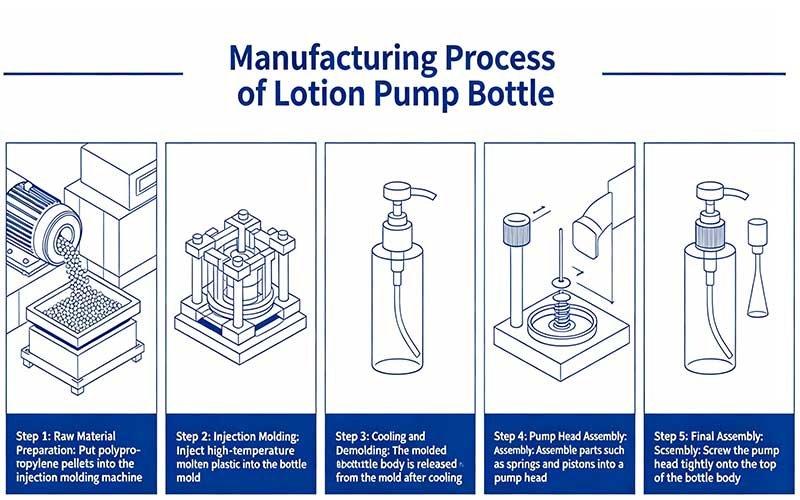
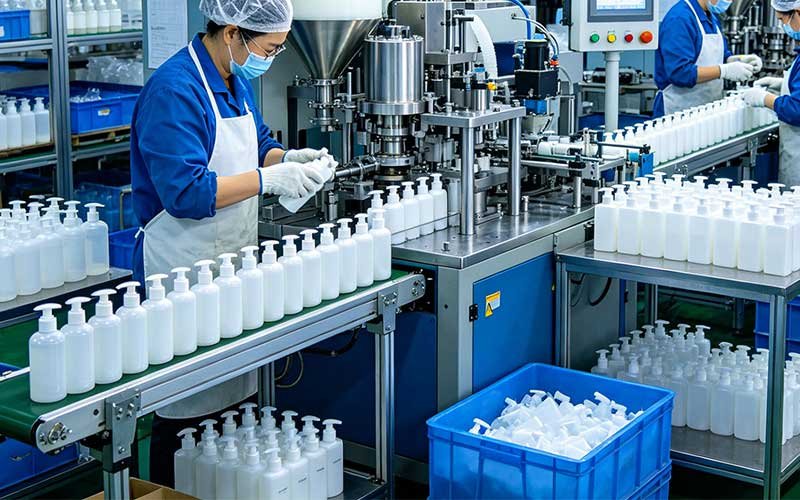
يُعد تصنيع زجاجات المستحضرات المزودة بمضخة عملية إنتاج منهجية وموحدة المعايير، وتنقسم بشكل أساسي إلى: تحضير المواد الخام، وتصنيع القوالب، وصب جسم الزجاجة، وإنتاج المكونات الأساسية للمضخة، والتجميع الآلي، واختبارات الجودة متعددة الأبعاد، والتشطيب السطحي، والتعبئة النهائية.
يخضع كل خط إنتاج لمعايير عملية ومعايير جودة صارمة لضمان إحكام الإغلاق، والاستقرار، ودقة التعبئة في المنتجات النهائية. وفيما يلي تفاصيل سير العملية ومعايير العملية الأساسية:
3.1 اختيار المواد الخام والمعالجة الأولية
المواد الخام الأكثر استخدامًا في صناعة زجاجات المستحضرات ذات المضخة هي مادة البولي بروبيلين (PP) والمادة البولي إيثيلين تيريفثاليت (PET) والزجاج، وهي مواد معتمدة للاستخدام الغذائي والتجميلي. أما المكونات الأساسية للمضخة (الزنبركات، والمكابس، وحلقات الإحكام) فهي مصنوعة في الغالب من البلاستيك عالي المتانة والفولاذ المقاوم للصدأ لمقاومة التآكل الناتج عن المكونات الكيميائية المستخدمة يوميًا.
قبل بدء الإنتاج، يجب أن تخضع جميع المواد الخام لعمليات فحص صارمة وإزالة الشوائب والتجفيف لتجنب ظهور الفقاعات والشوائب وتغير لون المنتجات المصبوبة. ويتزايد استخدام المواد المعاد تدويرها (PCR) في المعالجة المسبقة للمواد الخام من أجل الامتثال لمعايير الإنتاج الصديقة للبيئة.
3.2 تصنيع القوالب عالية الدقة
تحدد دقة القالب دقة الأبعاد واتساق المظهر لزجاجات مضخات المستحضرات. وتستخدم الشركات المصنعة المتخصصة تقنية التصنيع الدقيق باستخدام الحاسب الآلي (CNC) لإنتاج قوالب جسم الزجاجة وقوالب مكونات المضخة. ويتم صقل تجويف القالب حتى يصل إلى درجة لمعان المرآة لضمان سطح زجاجة أملس وفجوة تجميع ضيقة.
يتم تطوير قوالب مخصصة وفقًا لمتطلبات العملاء فيما يتعلق بشكل الزجاجة وسعتها ومواصفات المضخة، مما يتيح الإنتاج الضخم المعياري لمنتجات متنوعة. .
3.3 عملية تشكيل جسم الزجاجة
تُصنع زجاجات مضخة المستحضرات البلاستيكية بشكل أساسي باستخدام عملية القولبة بالحقن. حيث يتم تسخين حبيبات البلاستيك المعالجة وصهرها عند درجة حرارة ثابتة تتراوح بين 180 و220 درجة مئوية، ثم يتم حقنها في تجويف القالب الدقيق تحت ضغط عالٍ، وتُبرد وتُشكَّل في غضون 30 إلى 60 ثانية، ثم تُخرج من القالب وتُشذَّب لإزالة النتوءات الزائدة. .
تُصنع زجاجات المستحضرات الزجاجية باستخدام تقنية الصهر والقولبة بالنفخ: حيث تُصهر المواد الزجاجية الخام عند درجة حرارة تتراوح بين 1050 و1200 درجة مئوية، ثم تُقطع إلى كتل زجاجية منصهرة ذات أحجام محددة، وتُنفخ لتشكيل أجسام الزجاجات القياسية باستخدام معدات القولبة. ويحكم هذا الإجراء بشكل صارم على توحيد سماكة الجدران واستواء فوهة الزجاجة لضمان التوافق التام مع رأس المضخة.
3.4 إنتاج المكونات الأساسية للمضخات
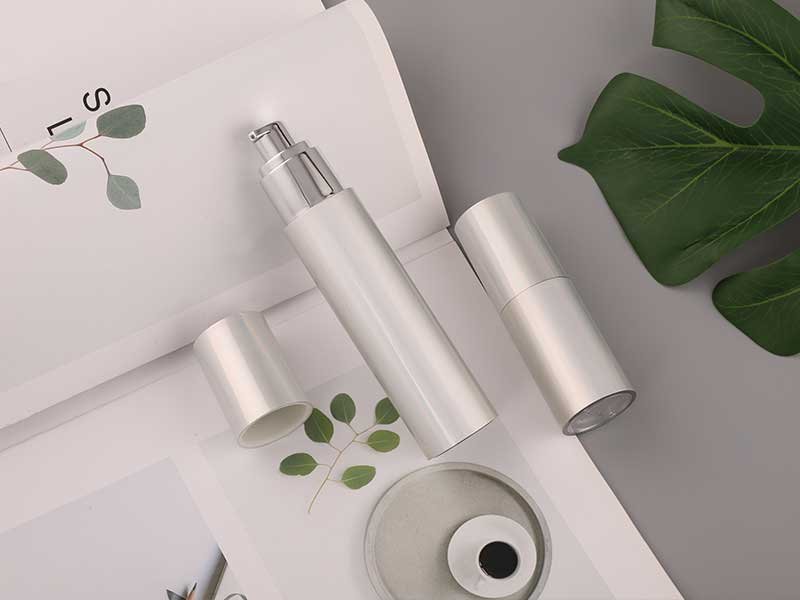
يُعد قلب المضخة المكون الوظيفي الأساسي لزجاجات المستحضرات ذات المضخة، ويتألف من فوهة، وجسم المضخة العلوي، وجسم المضخة السفلي، وزنبرك، وحلقة مانعة للتسرب، وأنبوب سحب. ويتم إنتاج جميع المكونات الصغيرة عن طريق القولبة بالحقن الثانوي والختم الدقيق.
تخضع المؤشرات الرئيسية، مثل مرونة الزنبرك وإحكام حلقة الإحكام، لرقابة صارمة لضمان عدم حدوث أي تسرب للسوائل وارتداد سلس لرأس المضخة. .
يتم ضبط الجرعة القياسية لكل عملية توزيع عند 1–2 مل، ويمكن تعديلها وفقًا لترسيخ مكانة المنتج لدى العملاء.
3.5 الإنتاج بالتجميع الآلي
يعتمد التصنيع الحديث لزجاجات المستحضرات ذات المضخات على خطوط تجميع مؤتمتة بالكامل لإتمام تجميع المكونات الأساسية للمضخة وأجسام الزجاجات.
تتبع عملية التجميع إجراءات موحدة:
قطع أنبوب السحب وتركيبه → تجميع قلب المضخة الداخلي → تركيب الزنبرك وحلقة الإحكام → تثبيت رأس المضخة → تجميع وحدة المضخة والزجاجة المتكاملة.
يُحيل التجميع الآلي بشكل فعال دون وقوع أخطاء التجميع اليدوي، ويحسن دقة التجميع، ويزيد من كفاءة الإنتاج إلى ما يزيد عن 10,000 قطعة في الساعة. .
3.6 فحص الجودة متعدد الأبعاد (العملية الأساسية)
يمتد فحص الجودة ليشمل كامل عملية تصنيع زجاجات المستحضرات المزودة بمضخة، بما في ذلك فحص المظهر واختبار الأداء واختبار المتانة.
يُقضي الفحص البصري على المنتجات المعيبة التي تحتوي على فقاعات أو خدوش أو انحرافات في الأبعاد؛;
تشمل اختبارات الأداء اختبار تسرب المياه، واختبار دقة التوزيع، واختبار مقاومة التسرب الهوائي؛;
تحاكي اختبارات المتانة سيناريوهات الاستخدام اليومي، بما في ذلك 100 اختبار ضغط متتالي واختبارات السقوط من ارتفاع متر واحد لضمان ثبات المنتج. .
يتم أخذ عينات من جميع المنتجات النهائية على دفعات وفقًا لمعايير نظام الجودة ISO 9001 لضمان معدل مطابقة الدفعات للمواصفات.
3.7 تشطيب الأسطح وتغليف المنتجات النهائية
يمكن معالجة المنتجات شبه النهائية المؤهلة بإجراءات تشطيب السطح، مثل الطباعة بالشاشة، والختم بالحرارة، والتلميع غير اللامع، ووضع الملصقات، وفقًا لاحتياجات العملاء، وذلك بهدف تحسين المظهر الجمالي للمنتج وتعزيز التعرف على العلامة التجارية.
وأخيرًا، تُعبَّأ زجاجات الغسول المزودة بمضخات الجاهزة في علب كرتونية موحدة مزودة بحواجز مانعة للتصادم لتجنب حدوث خدوش أو أضرار ناتجة عن الضغط أثناء النقل والتخزين. .
3.8 مقارنة المعلمات الأساسية لعمليات التصنيع
تختلف معايير العملية الإنتاجية باختلاف المواد المستخدمة في صناعة زجاجات مستحضرات الترطيب المزودة بمضخة. ويقارن الجدول التالي المعايير التصنيعية الرئيسية لزجاجات مستحضرات الترطيب المزودة بمضخة المصنوعة من البلاستيك والزجاج، ويشمل درجة حرارة القولبة وكفاءة الإنتاج وخصائص الأداء:
| معلمات العملية | زجاجة بلاستيكية مزودة بمضخة لوضع المستحضرات (PET/PP) | زجاجة زجاجية مزودة بمضخة لوضع المستحضرات |
|---|---|---|
| درجة حرارة القولبة | 180–220 درجة مئوية | 1050–1200 درجة مئوية |
| دورة صب واحدة | 30–60 ثانية | 90–120 ثانية |
| كفاءة الإنتاج في الساعة | 10000–15000 قطعة | 5000–8000 قطعة |
| المزايا الرئيسية | خفيفة الوزن، منخفضة التكلفة، مقاومة للسقوط، قابلة لإعادة التدوير | ذو ملمس بارز، مقاوم للتآكل، مقاوم لدرجات الحرارة العالية |
| سيناريوهات الاستخدام الأساسية للتطبيق | منتجات العناية الشخصية اليومية من الفئة المنخفضة والمتوسطة | مستحضرات التجميل الفاخرة، والزيوت العطرية، والمستحضرات الطبية |
4. الخلاصة وتوقعات القطاع
باعتبارها جزءًا أساسيًا من التغليف اليومي للمواد الكيميائية، تتميز صناعة زجاجات المستحضرات المزودة بمضخة بعمليات إنتاج ناضجة وموحدة، كما يتم تحسين جودة منتجاتها وكفاءة إنتاجها باستمرار من خلال تحديث المعدات الميكانيكية وأنظمة إدارة الجودة.
مدفوعةً بنمو سوق منتجات العناية الشخصية العالمية وسياسات حماية البيئة، ستحافظ صناعة زجاجات اللوشن المزودة بمضخات على نمو مستقر خلال العقد المقبل. وفي المستقبل، ستواصل هذه الصناعة التطور في اتجاه الحماية البيئية المستدامة، والإنتاج الذكي، والابتكار الوظيفي.
سيصبح انتشار المواد القابلة للتحلل البيولوجي، وتكنولوجيا التوزيع الدقيقة الذكية، وخطوط الإنتاج الآلية بالكامل التي لا تحتاج إلى تدخل بشري، المزايا التنافسية الأساسية للشركات العاملة في مجال تصنيع زجاجات المستحضرات ذات المضخات، مما سيعزز التنمية عالية الجودة لصناعة تغليف مستحضرات التجميل على الصعيد العالمي.