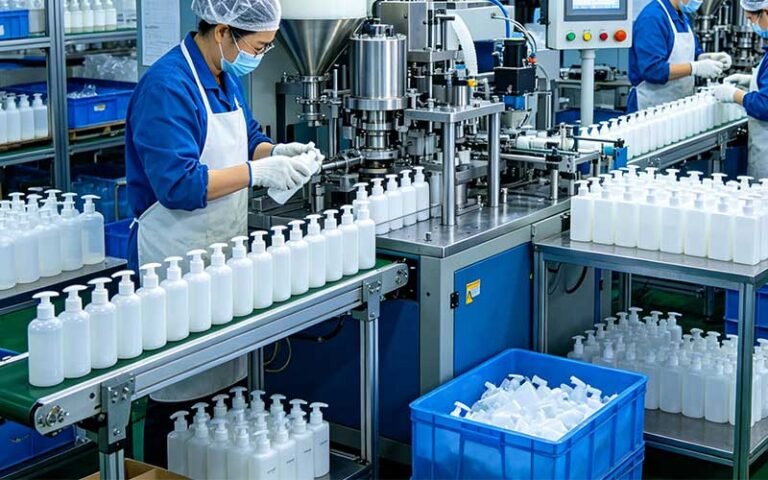
¿Cuáles son las tendencias más importantes en materia de empaques de cosméticos ecológicos que se esperan para 2026: los monomateriales o el PCR?
En 2026, los empaques sostenibles para cosméticos han pasado de ser un argumento de mercadotecnia a convertirse en un requisito estricto tanto de fabricación como normativo.
Para los fabricantes de empaques cosméticos B2B que se relacionan con marcas globales, el enfoque ha pasado de “usar menos plástico” a “diseñar mejores sistemas”.”
Las tendencias dominantes que se espera que marquen el rumbo de las páginas de destino y las especificaciones de adquisición en 2026 se centran en gran medida en la combinación de materiales monomateriales y contenido PCR (reciclado posconsumo).
1. El híbrido de un solo material + PCR
La tendencia de sustentabilidad más innovadora consiste en incorporar contenido de plástico reciclado postconsumo (PCR) directamente en una estructura monomaterial. Anteriormente, las marcas tenían que elegir entre reducir el uso de plástico virgen (utilizando PCR) o garantizar que el producto final pudiera reciclarse (utilizando monomateriales). Ahora, exigen ambas cosas al mismo tiempo.
Para una planta de fabricación de empaques cosméticos, esto significa diseñar un sistema de resina única —como el polipropileno (PP) 100% o el polietileno (PE)— que incorpore altos porcentajes de PCR. El reto técnico, que constituye un importante argumento de venta para los fabricantes de precisión, consiste en mantener la integridad estructural y la consistencia del color al trabajar con resinas recicladas.
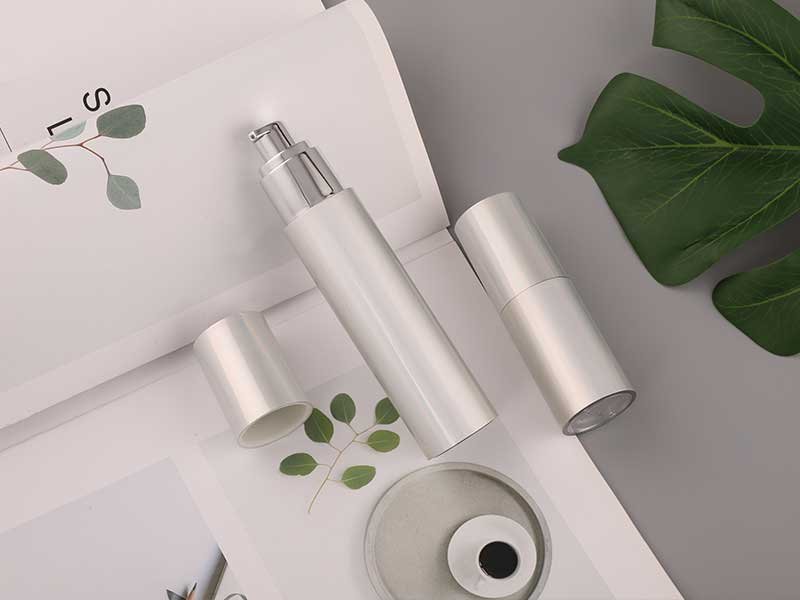
2. Bombas totalmente de plástico, sin metal
La bomba tradicional para lociones es una pesadilla para el reciclaje porque contiene un resorte metálico oculto. En 2026, la transición hacia las bombas monomateriales se está acelerando rápidamente.
Reemplazar un resorte de acero por un mecanismo de plástico especializado que ofrezca la misma respuesta táctil y la misma velocidad de retorno requiere una precisión extrema en el diseño de herramientas y el moldeo por inyección.
Los fabricantes que operan bajo rigurosos sistemas de calidad (como la norma IATF 16949) se encuentran en una posición privilegiada para obtener estos contratos, ya que estos mecanismos totalmente de plástico requieren tolerancias dimensionales increíblemente estrictas para funcionar de manera confiable y sin fugas.
3. Diseño que facilita el desmontaje y reducción del peso
Cuando la fabricación con un solo material no es químicamente viable para una formulación específica, la tendencia es el diseño “listo para el desmontaje”. Los componentes deben desmontarse de manera intuitiva sin herramientas, lo que permite a los consumidores separar los materiales mixtos (como una botella de vidrio de un actuador de plástico) para su reciclaje adecuado.
Al mismo tiempo, el concepto de “lujo ligero” está redefiniendo los empaques de cosméticos de alta gama. Las marcas exigen un menor espesor de las paredes y un peso total más ligero para reducir las emisiones generadas por el transporte, y recurren a sofisticados sistemas de ingeniería CAD en lugar de al volumen para brindar una sensación de alta calidad al tacto.
4. El cumplimiento normativo como estándar de abastecimiento
A partir de agosto de 2026, comenzarán a aplicarse varios requisitos del Reglamento de la UE sobre envases y residuos de envases (PPWR), lo que cambiará de manera fundamental la forma en que las marcas globales se abastecen de sus envases. Estas regulaciones exigen un mayor contenido de material reciclado y vías de reciclaje más claras al final de la vida útil.
En consecuencia, los compradores B2B ya no evalúan a los proveedores de empaques para productos cosméticos basándose únicamente en el precio unitario y la estética; ahora analizan la capacidad del proveedor para ofrecer soluciones de un solo material y de material reciclado post-consumo (PCR) que sean verificables y cumplan con las normas, lo cual evita que sus marcas se enfrenten a sanciones regulatorias o a cargos por modulación ecológica.