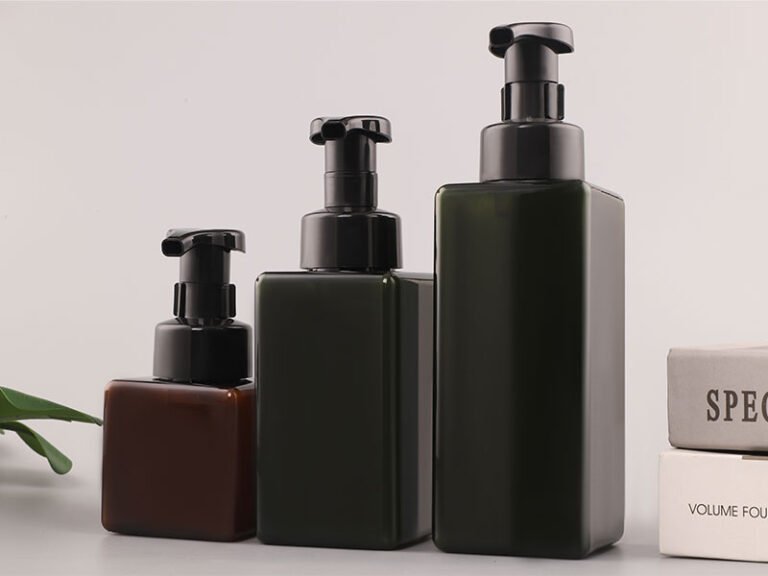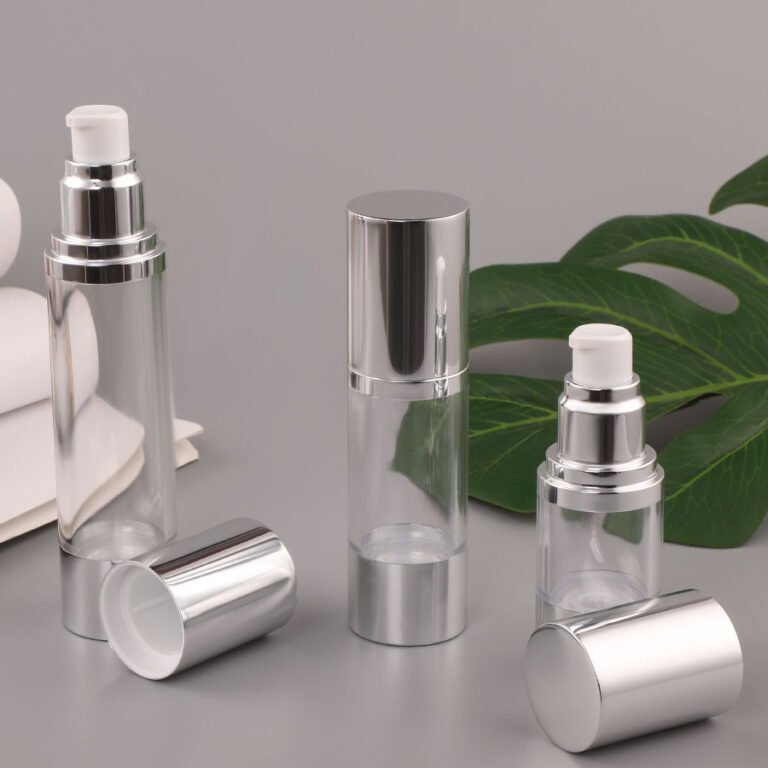
Каковы ключевые моменты в процессе проектирования флаконов для косметики?
Разработка дизайна флакона для косметических средств представляет собой сложную инженерную и брендинговую задачу. Она требует нахождения баланса между эстетической привлекательностью и строгими функциональными допусками, химической совместимостью, а также — что становится всё более актуальным — экологической ответственностью.
Ниже приводится подробное описание основных этапов процесса разработки дизайна современных флаконов для косметики:
1. Разработка концепции и адаптация к рынку
Прежде чем приступить к инженерным разработкам, дизайн должен соответствовать идентичности бренда и ожиданиям пользователей. На этом этапе определяются основные геометрические параметры флакона (например, минималистичные цилиндры, эргономичные изгибы) и способ дозирования (например, капельница, безвоздушный насос или стандартный насос для лосьона). Для производителей и брендов в сегменте B2B именно на этом этапе в основную концепцию учитываются текущие рыночные тенденции — такие как растущий спрос на экологичную эстетику в 2026 году.
2. Выбор материалов и экологическая устойчивость
Выбор материала определяет не только внешний вид и тактильные ощущения от бутылки, но и её химическую совместимость с косметической формулой, а также её воздействие на окружающую среду.
Отрасль стремительно переходит на экологически устойчивые решения. В настоящее время к числу ключевых факторов относятся:
- Пластик, полученный методом ПЦР (вторичная переработка отходов потребления): Использование материалов, полученных методом ПЦР, позволяет снизить зависимость от первичного пластика, хотя для обеспечения структурной целостности и стабильности цвета требуется тщательная инженерная проработка.
- Конструкции из одного материала: Чтобы упаковка 100% поддавалась вторичной переработке, разработчики отказываются от конструкций, состоящих из нескольких материалов. Основное внимание уделяется разработке полностью пластиковых, мономатериальных дозаторов, в которых отсутствуют традиционные металлические пружины, что позволяет перерабатывать всю бутылку вместе с дозатором без разборки.
- Стекло против пластика: В то время как стекло отличается солидным весом и высокой химической стойкостью, современные пластики (такие как ПЭТ или ПП) обеспечивают прочность, меньший вес при транспортировке и ударопрочность.
3. Проектирование конструкций и 3D-моделирование (CAD)
После выбора материалов промышленные дизайнеры создают подробные 3D-модели в формате CAD. Этот этап носит сугубо технический характер; речь идет не только о внешней форме.
Инженеры должны рассчитать:
- Толщина стенки: Обеспечение достаточной прочности бутылки, чтобы она выдерживала сдавливание или падение, без излишнего расхода материала.
- Допуски на резьбу и горловину: Резьба должна идеально соответствовать крышке (коронке или дозатору), чтобы предотвратить утечки, что требует точности на микроуровне.
- Объемная точность: Обеспечение того, чтобы внутренняя геометрия изделия соответствовала точно заявленному объему продукта с учетом объема, занимаемого насосным механизмом.
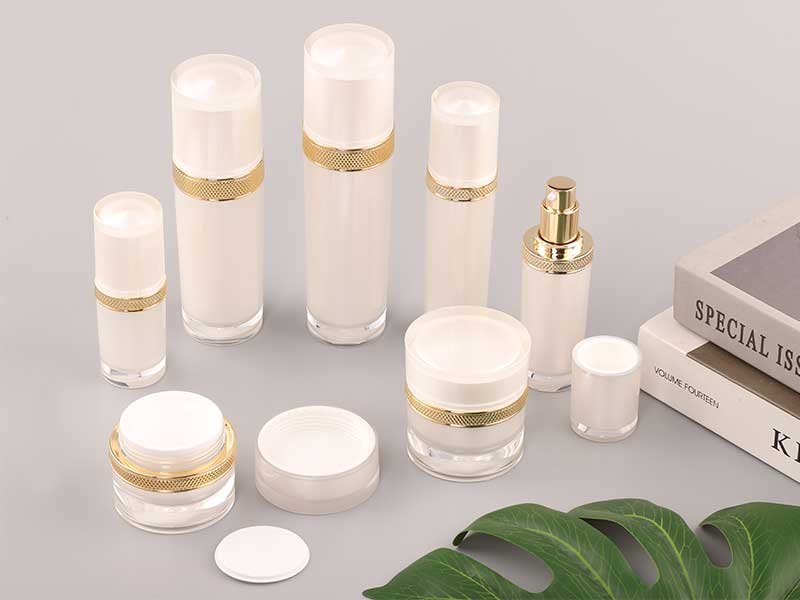
4. Создание прототипов и проверка осуществимости
Прежде чем приступить к изготовлению дорогостоящих пресс-форм, проект проходит этап создания прототипов (часто с помощью 3D-печати по технологиям SLA или FDM). Это позволяет провести физические испытания следующих параметров:
- Эргономика: Какие ощущения вызывает бутылка в руке во время использования.
- Функциональные возможности: Проверка хода насоса, объема дозирования и отсутствия вакуумной блокировки (особенно в безвоздушных системах).
- Техническая осуществимость: Обеспечение возможности плавного перехода проекта на крупномасштабную современную производственную базу без возникновения «узких мест» на сборочной линии.
5. Оборудование и строгие системы контроля качества
Заключительным и зачастую наиболее капиталоемким этапом является изготовление стальных форм для литья под давлением или выдувного формования. Поскольку косметическая упаковка требует безупречной отделки поверхности и герметичных соединений, процесс изготовления пресс-форм должен подвергаться строгому контролю качества.
Применение строгих систем управления качеством, разработанных для автомобильной промышленности (таких как стандарты IATF 16949, PPAP и рамки VDA), к производству упаковки для косметических средств гарантирует, что независимо от того, выпускаете ли вы тысячу или миллион единиц продукции, стабильность размеров и эстетическое качество остаются неизменно высокими.